Choosing a breed, a line, gender, and a colour
When choosing a puppy, consider the breed, line, gender, and colour that will best suit your lifestyle and preferences.
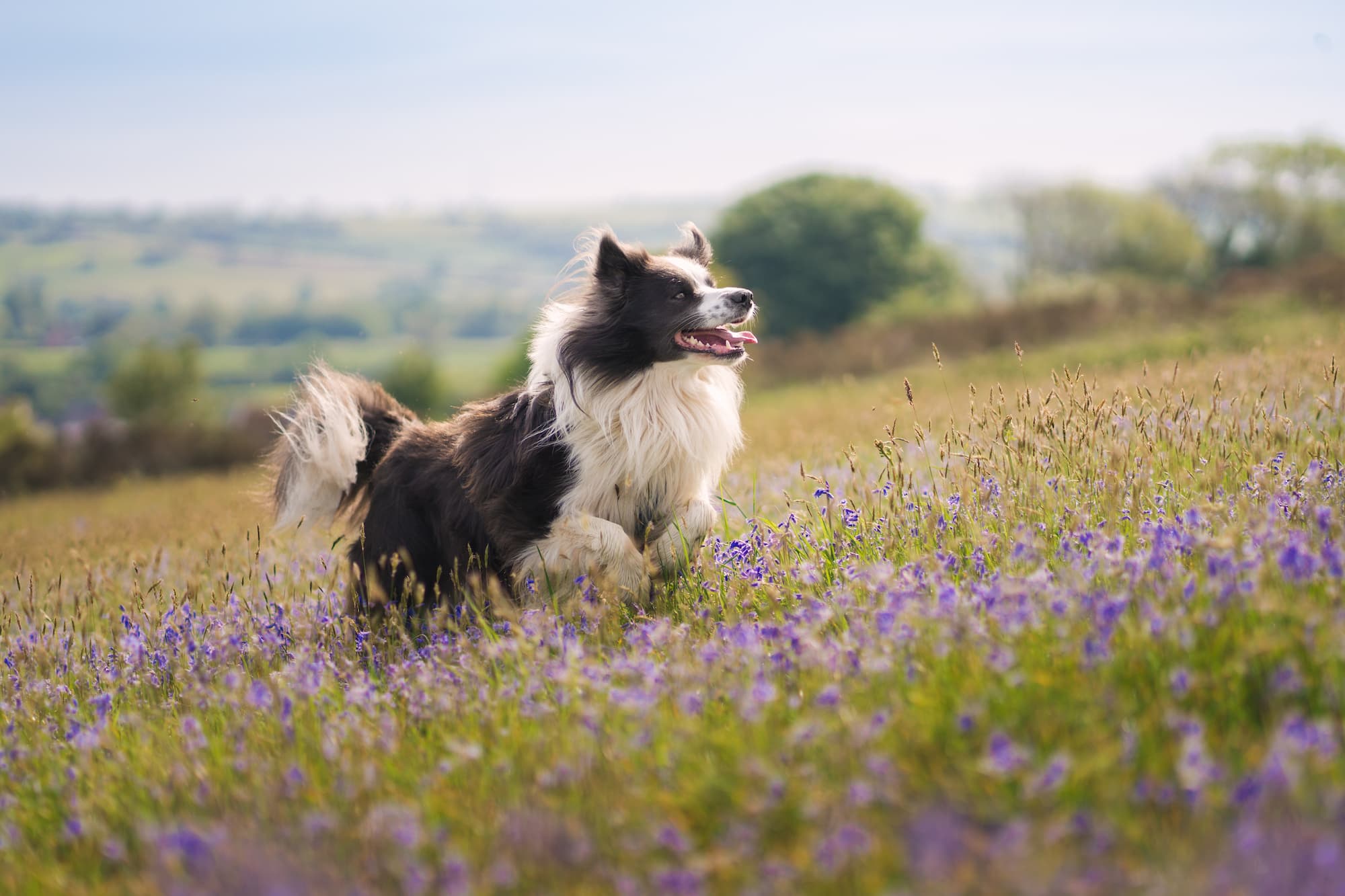
I’ve chosen a show line Border Collie because I want a dog to run with, to do training with, and because I love the breed. I decided on a boy because my current dog, Kanita, will not want to live with a girl. I prefer black and white or blue dogs due to their personality and temperament traits.
Choosing a breed based on appearance or proximity to a breeder can lead to problems later. Make sure you understand the breed’s needs and traits to ensure you can meet them.
Experience
Consider your experience with the breed and compare it to other breeds or types you’ve observed. I have direct experience with Border Collies, having owned one and trained many. This experience has given me insight into the breed’s good and challenging traits.
Gather unbiased information from various sources, such as veterinary staff, dog walkers, trainers, and behaviourists. They can provide valuable insights into the breed’s health, temperament, and behaviour.
Meeting dogs
Get out there and meet people with dogs. Observe them in action and ask questions about their behaviour and traits. This hands-on experience will help you determine if a breed is right for you.
Thinking it through
Consider why you like a particular breed or mix. Reflect on how the breed meets your needs and what challenges its traits might present. Ensure you can provide the level of training and care required to avoid problem behaviours.
Choosing a breeder
A good breeder is crucial in ensuring you get a healthy, well-adjusted puppy. Look for breeders who carry out all necessary health tests and are willing to take their dogs back if needed.
Research the breed’s common health issues and ensure the breeder tests for these conditions. Choose a breeder who has bred a dog you have met and liked, as this can give you confidence in their breeding practices.
Grilling the breeder
Ask the breeder detailed questions about the dogs’ temperaments, socialisation practices, and health. Good breeders will be open to these questions and provide thorough answers.
Temperament:
- What temperaments are the breeders selecting for?
- Do they socialise well with other dogs?
- Do they play ball or tug with other dogs?
- Are they food motivated around other dogs?
- Do they like chews and bones?
- Have they ever been left alone, and how do they behave when alone?
- Do they like going on road trips?
- How do they behave when visitors arrive?
- Do they bark at the doorbell?
- Do they like to sniff on walks?
- Do they approach people and dogs on walks?
- What activities do they like to do?
- Do they chase squirrels or other prey?
- Have they met sheep or cows?
- Do they go to busy places?
- How do they react to fireworks?
Socialisation:
- Do the pups get to meet any other dogs before 8 weeks of age?
- What age do you introduce visitors to the pups?
- Do the pups get to explore the garden?
- Do they see any other animals besides dogs?
- Do you take them anywhere other than the vet?
Meeting the dogs in person
Meet the dogs in person to observe their behaviour and health. Look for signs of socialisation, such as how they interact with visitors and other dogs. Ensure the breeder provides a stimulating and stress-free environment for the puppies.
What’s next?
Once the pups are 4-5 weeks old, meet them and observe their behaviour. Look at how they respond to you, sudden sounds, and their interactions with each other. Choose the puppy that best fits your desired temperament and traits.
Conclusion
Choosing a puppy is a significant decision that requires thorough research and careful consideration. By following these steps, you can ensure you bring home a healthy, well-adjusted puppy that will be a joy to live with.
Key takeaways:
- Research the breed and ensure it meets your needs.
- Gather unbiased information from various sources.
- Meet dogs and observe their behaviour.
- Choose a reputable breeder and ask detailed questions.
- Meet the puppy and its parents before committing.
Remember, taking the time to make an informed decision will benefit both you and your future furry friend, ensuring a happy and healthy relationship.