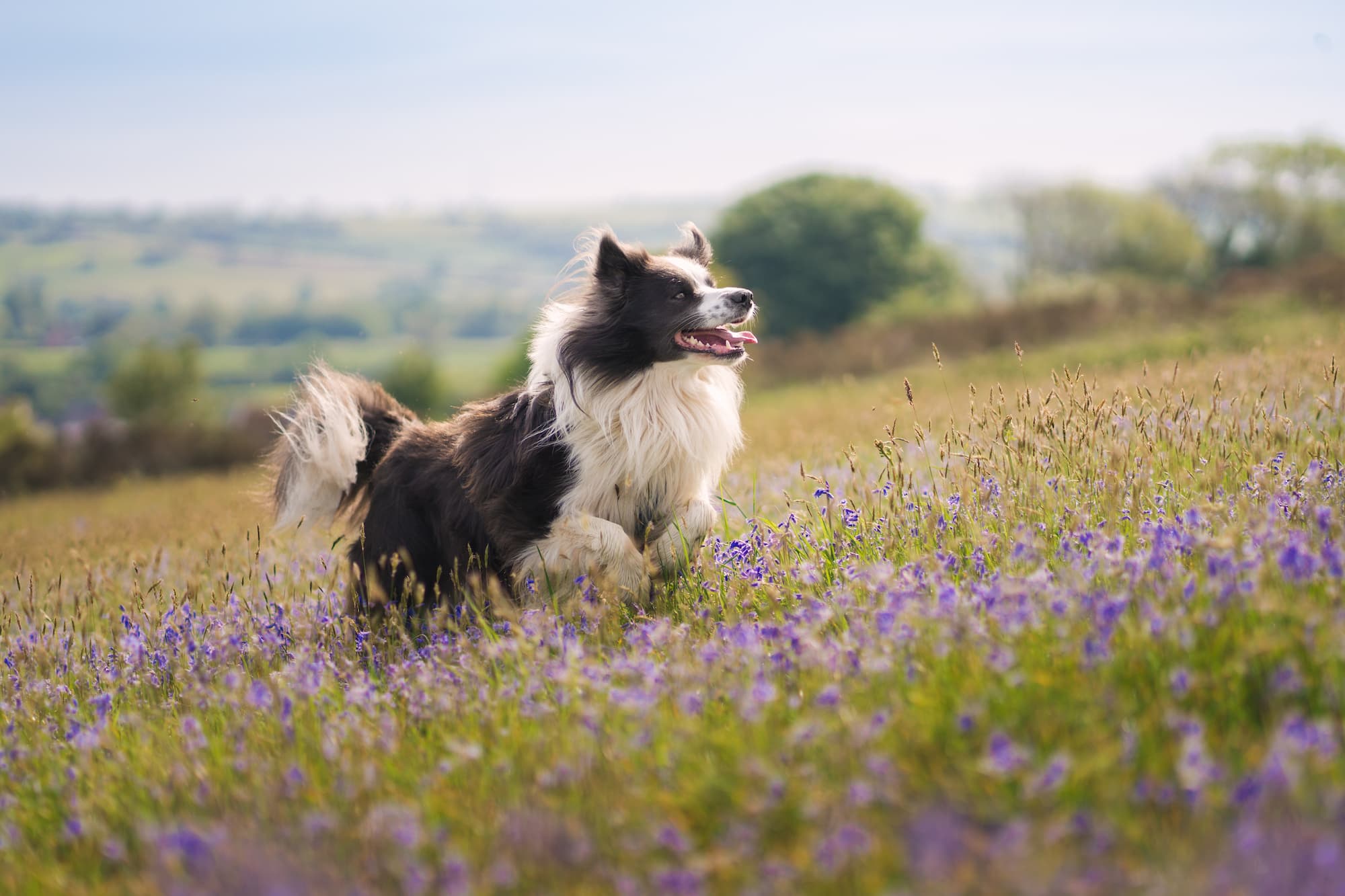
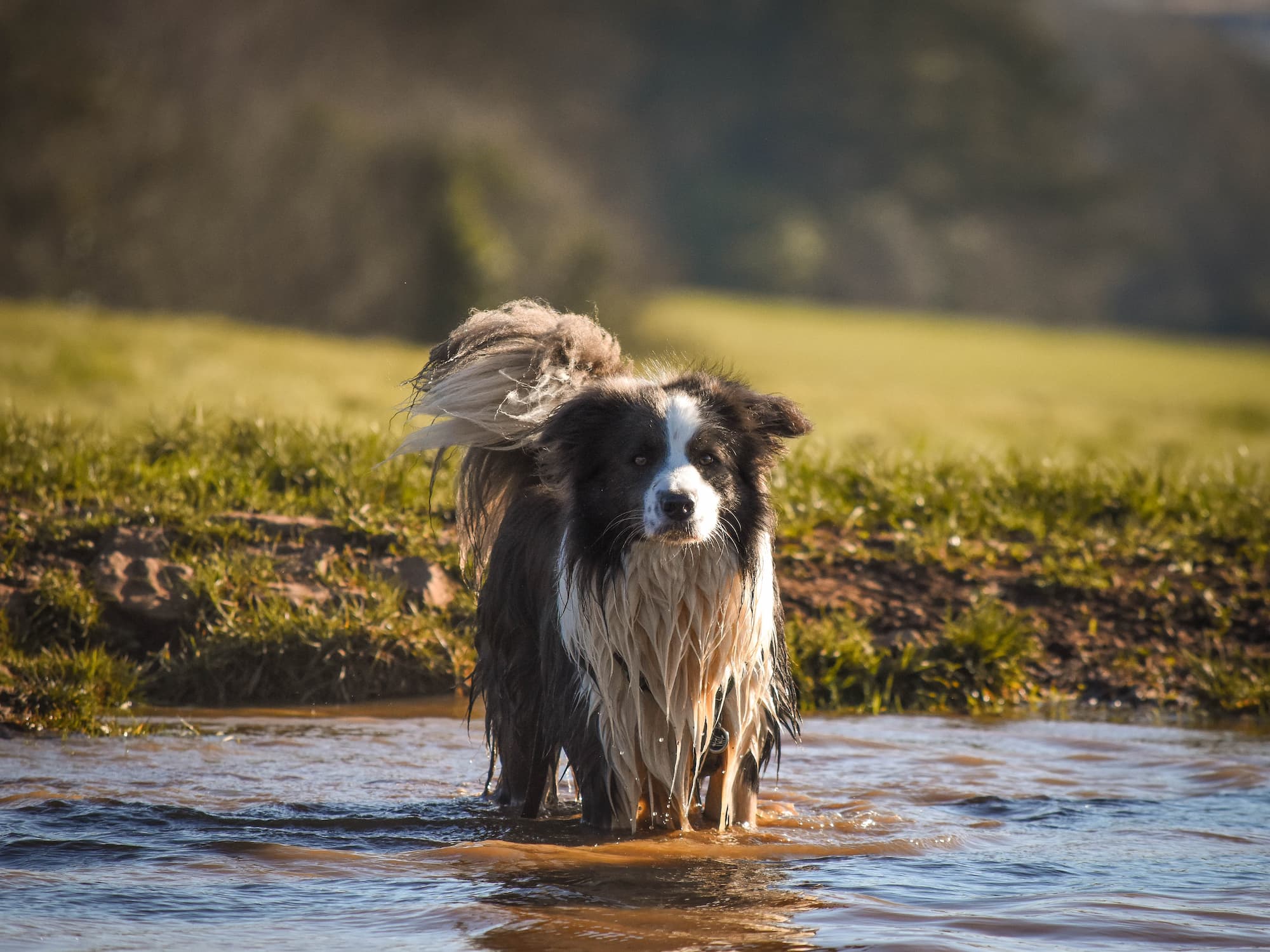
Should you feed before or after your dog’s walk?
Feeding before walks: Yes or no?
My answer: Feed them before their walk, but give plenty of time for digestion.
Reasons:
Have you ever tried to exercise on an empty stomach? Most athletes will tell you it’s not ideal. The body needs fuel to perform well. As a climber, I know the timing of when I eat before a session greatly impacts my performance. Too close and I’m sluggish; not enough food and I feel weak.
On a recent mountain ultra marathon, I experienced a dramatic drop in energy. My partner advised me to eat something, and within minutes I felt much better. This experience translates to dogs too: a plummet in blood sugar levels can lead to changes in mood and behaviour, such as emotional outbursts, increased frustration, and fear.
Giving dogs their full food allowance on the go
This practice seems to be gaining popularity, but it has its flaws.
Digestion and activity
The digestive system requires a lot of blood supply. When active, blood is directed towards muscles and the heart. The sympathetic nervous system (fight or flight) and the parasympathetic nervous system (rest and digest) do not operate equally at the same time. If a dog is active, their digestive system is inhibited.
Feeding your dog their meal on the go, or too soon before their walk, prevents the digestive system from working properly. This can lead to discomfort, indigestion, or other digestive issues.
Personal experience
I can attest that eating while running or soon after is unpleasant. The body may reject food if it’s not ready to digest, which I’ve seen in high-arousal dogs. Lower intensity exercise, like walking, affects the body differently than high-intensity exercise. While I can eat something while walking, I avoid substantial meals before running.
Energy for the brain
The brain uses more energy than any other organ. Ever craved sweets while studying? That’s your brain needing fuel. If you start training with your dog on an empty stomach, you might see undesired behaviours like jumping, snatching treats, and barking due to low blood sugar levels.
Balancing feeding with exercise and training
I feed my dogs 90 minutes or more before their morning walk. This ensures they have energy to cope with physical and mental challenges. I give them smaller meals to prevent them from being too full and to manage their weight with treats.
Summary:
- Low blood sugar levels can affect mood and coping ability.
- The body does not digest food well during high-intensity exercise.
- The brain needs energy to function well.
Different dogs have different behaviours on walks. Some are fast-paced, others are slow and regulated. Some dogs may not want to eat first thing in the morning, which could be due to various factors like their attitude towards food or anticipation of the walk. It’s important to observe and understand your dog’s needs rather than forcing them to eat.